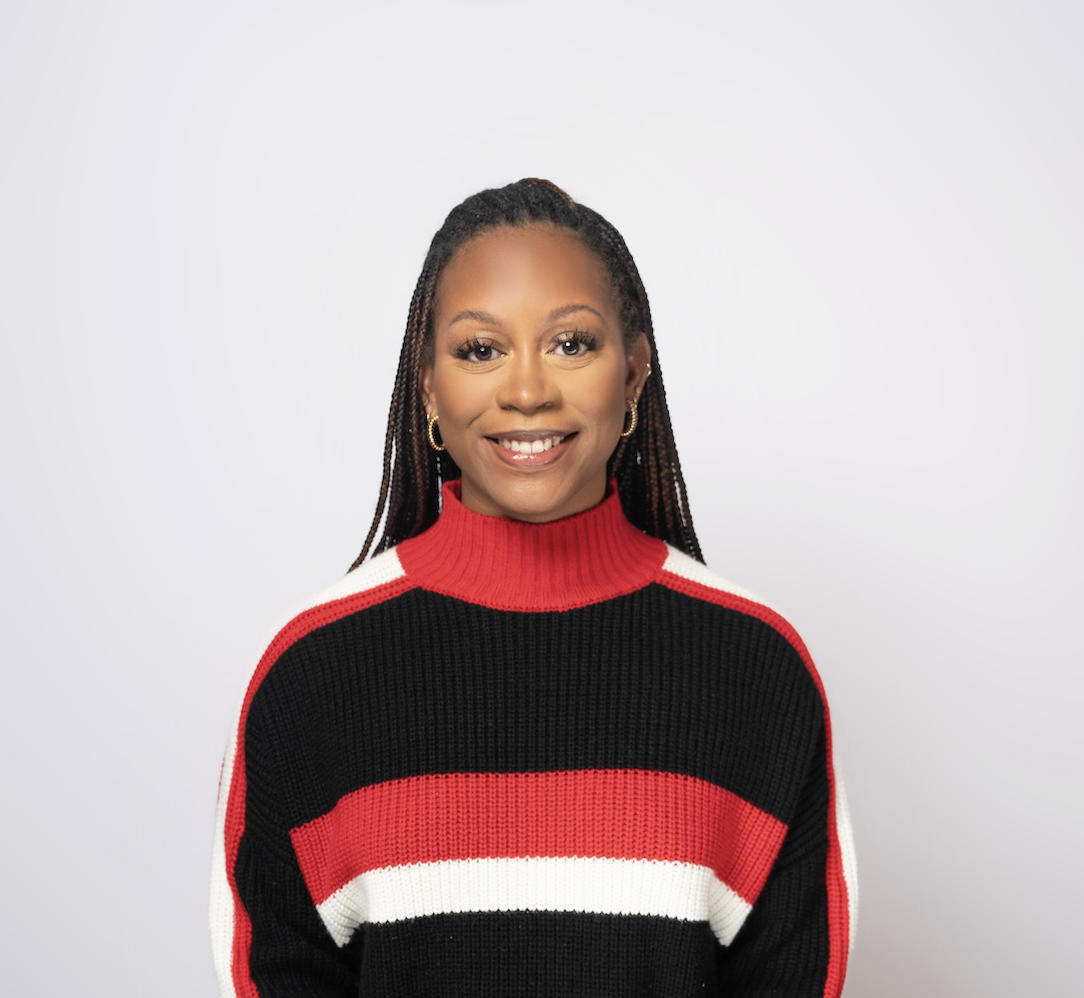
It is hard to believe that I have been in the Philippines for more than six months now. When I arrived at CVIF-DLS last summer, I had a vague sense of what the fellowship would look like — I would teach science, build relationships, and hopefully make a real difference in students' lives. What I did not anticipate was how much the students would teach me.
This past month has been one of the most rewarding of my fellowship. In January, we launched a new unit on neuroscience — my PhD field — and the response from the students was extraordinary. We spent two weeks exploring how the brain works: building neuron models out of everyday materials, running simple experiments on reaction time and sensory perception, and discussing how neuroscience connects to real-world questions about learning, mental health, and technology.
One of the moments I keep returning to was when a tenth-grade student, who had been quiet for most of the first semester, stood up during a group discussion and explained — clearly, confidently, and accurately — how neurons communicate through synapses. She connected it to something she had noticed about her own memory while studying for exams. The class was riveted. I was, too.
Workshop Highlights
This past month we also ran a special Saturday science workshop that was open to students from nearby schools. About 40 students came — many of them had never had access to a proper science lab before. We ran stations on simple chemistry experiments (acids and bases, color-changing reactions), basic electronics (building simple circuits with batteries and LEDs), and a microscopy station where students could look at prepared slides of cells and tissues.
The response was overwhelming. Several teachers from the visiting schools pulled me aside afterward to ask if we could do it again, and whether we might be able to share the workshop materials so they could run something similar with their own students. That question — "can we do this ourselves?" — is exactly what Science Corps is trying to make possible.
Looking Ahead
My co-fellow An Tran and I are now planning our end-of-fellowship showcase, which will take place in April. Students will present their own science projects — questions they came up with themselves, experiments they designed, data they collected and analyzed. Watching them work through the scientific process independently has been one of the great joys of this fellowship.
I am also beginning to think about the transition: what materials, lesson plans, and resources can I leave behind that will continue to serve CVIF-DLS after I leave? Building something sustainable — not just a one-time burst of energy — is, I think, the most important work I can do in these final months.
Thank you to everyone at Science Corps and everyone who has supported this fellowship. I feel it every day.