
About Us
Science Corps aims to build STEM (Science, Technology, Engineering, and Math) capacity globally. To achieve this goal, Science Corps places recent STEM PhD graduates to teach and develop science curricula in regions with limited access to quality science education. As Science Corps fellows, they support innovative schools and projects by designing scientific curricula, teaching, hosting workshops, and demonstrating experiments that provide students with hands-on STEM experience. Science Corps fellows leverage their expertise and passion to inspire and empower students to pursue degrees in STEM fields.
Mission Statement:
To increase equity in STEM (Science, Technology, Engineering, and Math) education by placing exceptional young scientists to teach, build capacity, and inspire students in resource-limited communities.
Vision Statement:
A world where everyone has access to quality STEM education.
Our Story
The founders of Science Corps felt that the rigors of scientific training offered few opportunities for scientists to develop a global perspective. This is in contrast to the multiple avenues available for physicians to contribute abroad while still gaining career experience. One of the Science Corps co-founders, Ben Rubin, searched widely after completing his STEM PhD for an opportunity that would allow him to leverage his science background in an avenue outside of the traditional science path of PhD to postdoc. After a long search, he found a school in the rural Philippines that needed a science teacher. This school was CVIF, which is now a long-term Science Corps host site and partner. Here, he spent six months teaching and developing science curricula. His experience was so positive for himself and his students that Science Corps was founded to provide other STEM PhDs with similar experiences.
Why STEM PhDs?
The long march through the academic requirements of a PhD in Science, Technology, Engineering or Mathematics (STEM) often minimizes opportunities for interactions outside of the research community. The experience and expertise of STEM PhDs is, however, tremendously valuable in underserved communities around the world. Science Corps seeks to be a bridge between these two groups by providing opportunities for recent PhD graduates, as Science Corps Fellows, to step outside the traditional academic path for six months, broaden their perspective and skill set, and contribute their expertise to underserved communities. As Science Corps grows, it is possible that we may open fellowship opportunities for scientists at more advanced stages in their careers.
Host Sites
Over the past few years, Science Corps has proudly sent recent STEM PhD fellows to places like Morocco, Bangladesh, India, and the Philippines, where they’ve inspired and connected with students of all ages—from middle school to university, sparking curiosity and a love for science.
Now, we’re focusing our efforts on the Philippines. This shift allows us to provide even stronger support to our fellows and the communities they serve. By concentrating on this region, we aim to create deeper, more meaningful connections and a lasting positive impact for all involved.
Current Site: Central Visayan Institute Foundation (CVIF)
Jagna (Bohol), Philippines
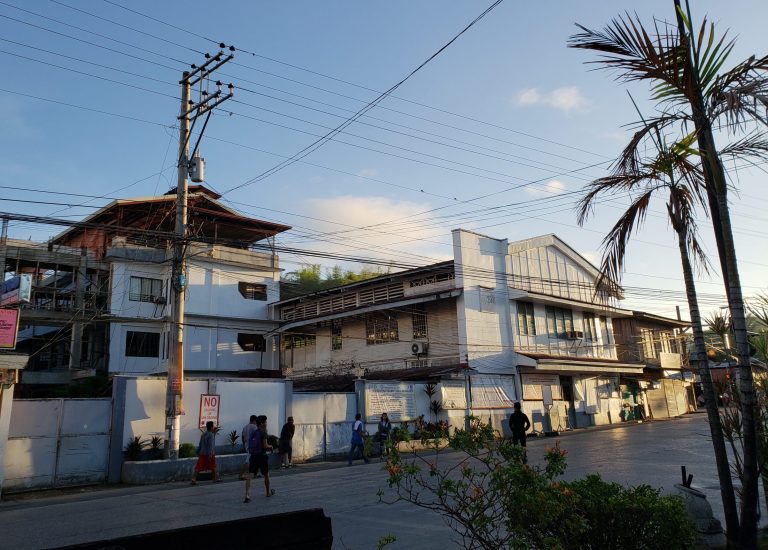
The Philippines lags behind neighboring countries in education. Per one million inhabitants, Japan has 5,084 scientists, Singapore has 4,613, and Malaysia has 726. The Philippines has only 157. To address this discrepancy, the Philippines is actively pursuing development of their secondary school STEM system. This necessitates curriculum development and teachers. To meet this need, the Central Visayan Secondary School in Jagna is eager to host Science Corps Fellows to develop and teach STEM courses.
CVIF is a leader for Philippine educational development, having created a teaching system called the Dynamic Learning Program, now implemented in approximately 250 schools nationwide. The president and directress of CVIF, Dr. Christopher Bernido and Dr. Maria Victoria Carpio-Bernido, respectively, are deeply involved in educational institutions both within and outside the government.
CVIF and the Bernidos have received numerous accolades for their groundbreaking work. These include the prestigious Ramon Magsaysay Award in 2010. Similarly, their innovative methods have caught the attention of the national press, including coverage in the prestigious Manila Standard.
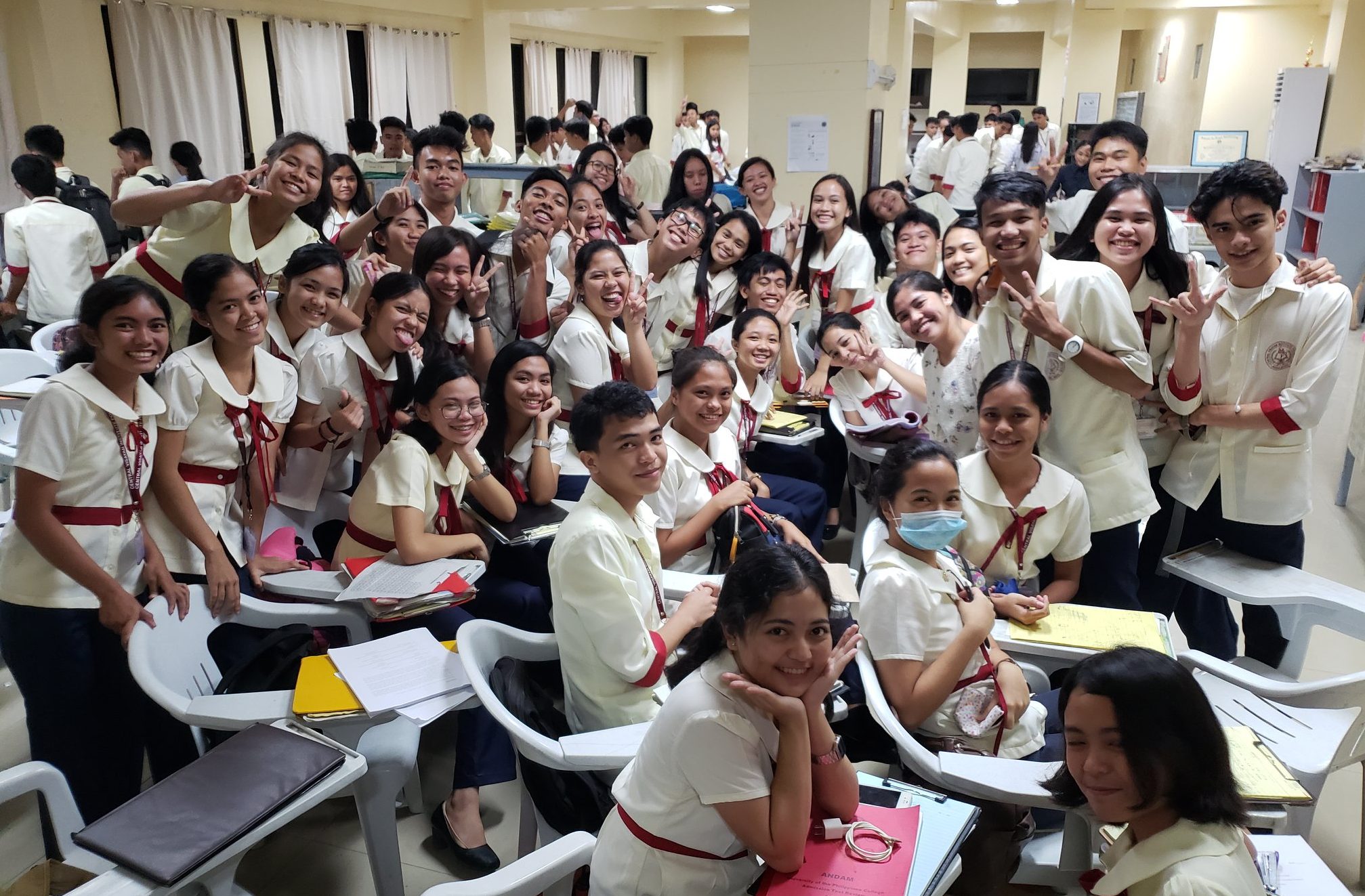
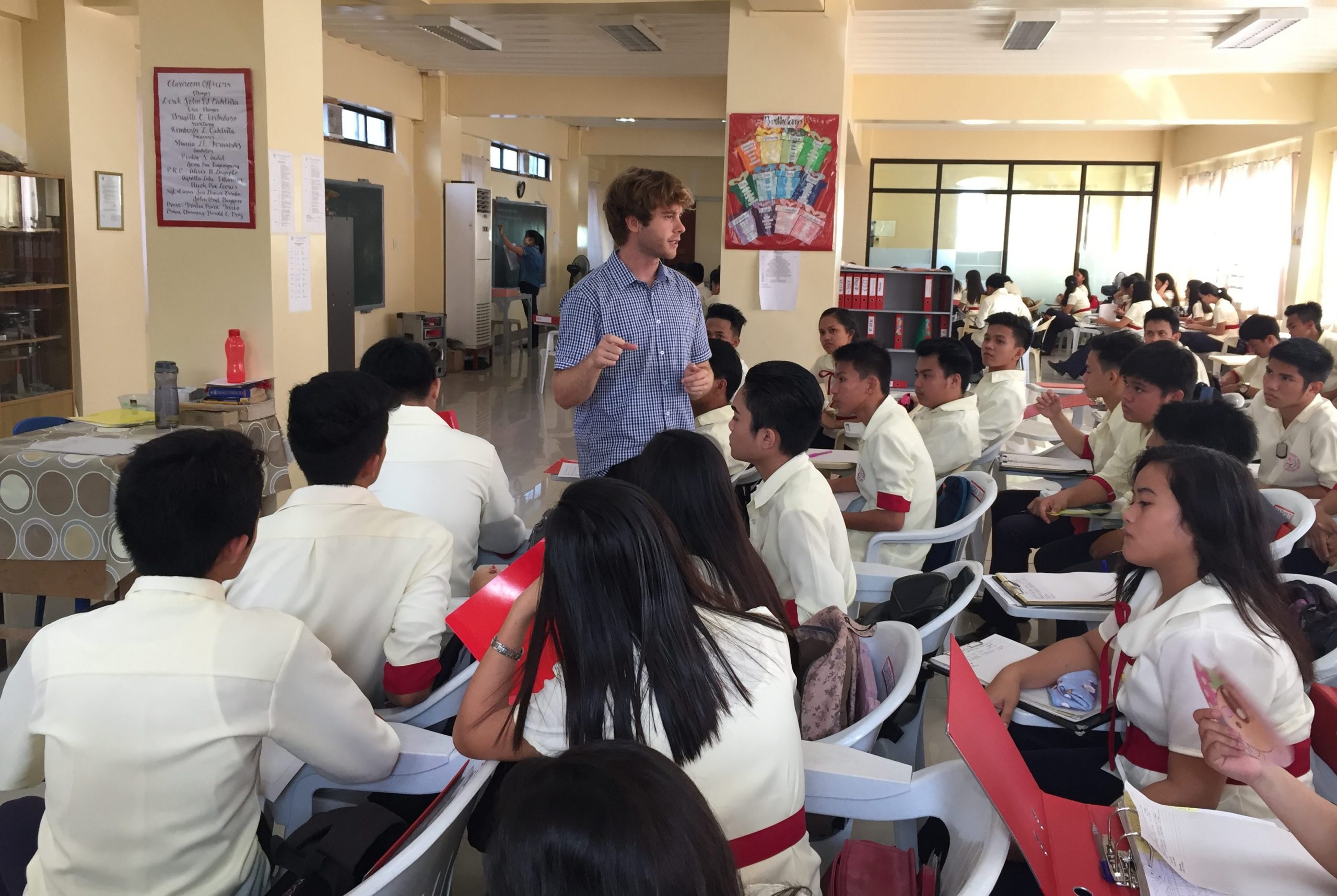
Science Corps Fellows play a number of roles at CVIF. One role of the Fellow is to develop STEM teaching materials in their subject of expertise (examples so far include biology, chemistry, computer science, and research methods). Another role of the Science Corps Fellow is teaching the high school classes corresponding to those materials, and refining the materials where necessary. Additionally, Fellows may design workshops and hands-on activities for students, teachers, and other local scientists.
CVIF has active ongoing collaborations with other schools in the Philippines, and with the Philippine Government. This allows for the STEM teaching materials to be widely shared and distributed throughout the Philippines, expanding the impact on the educational system nationwide. Science Corps Fellows at CVIF have been engaged in building a website designed to help share CVIF’s successful teaching materials to other schools in the Philippines and beyond, including the materials created by the Science Corps Fellows themselves.
Former Host Sites
The American School of Tangier (AST)
Tangier, Morocco
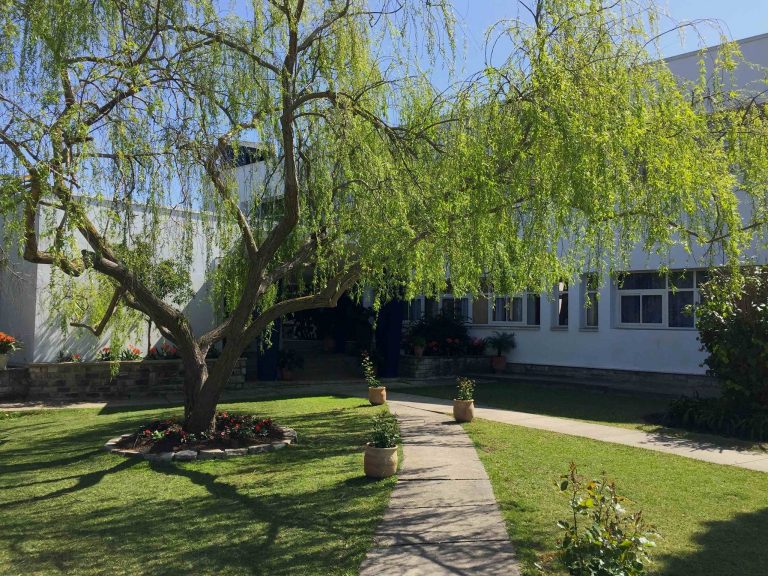
Founded in 1950, the American School of Tangier (AST) began operations just six years after Roosevelt, Churchill, and Stalin met in Casablanca and six years before Morocco’s independence from France in 1956. It is the oldest international school in North Africa. It is inspiring to see AST’s legacy of successfully serving Moroccan and international youth in the northern part of the country for over a half century.
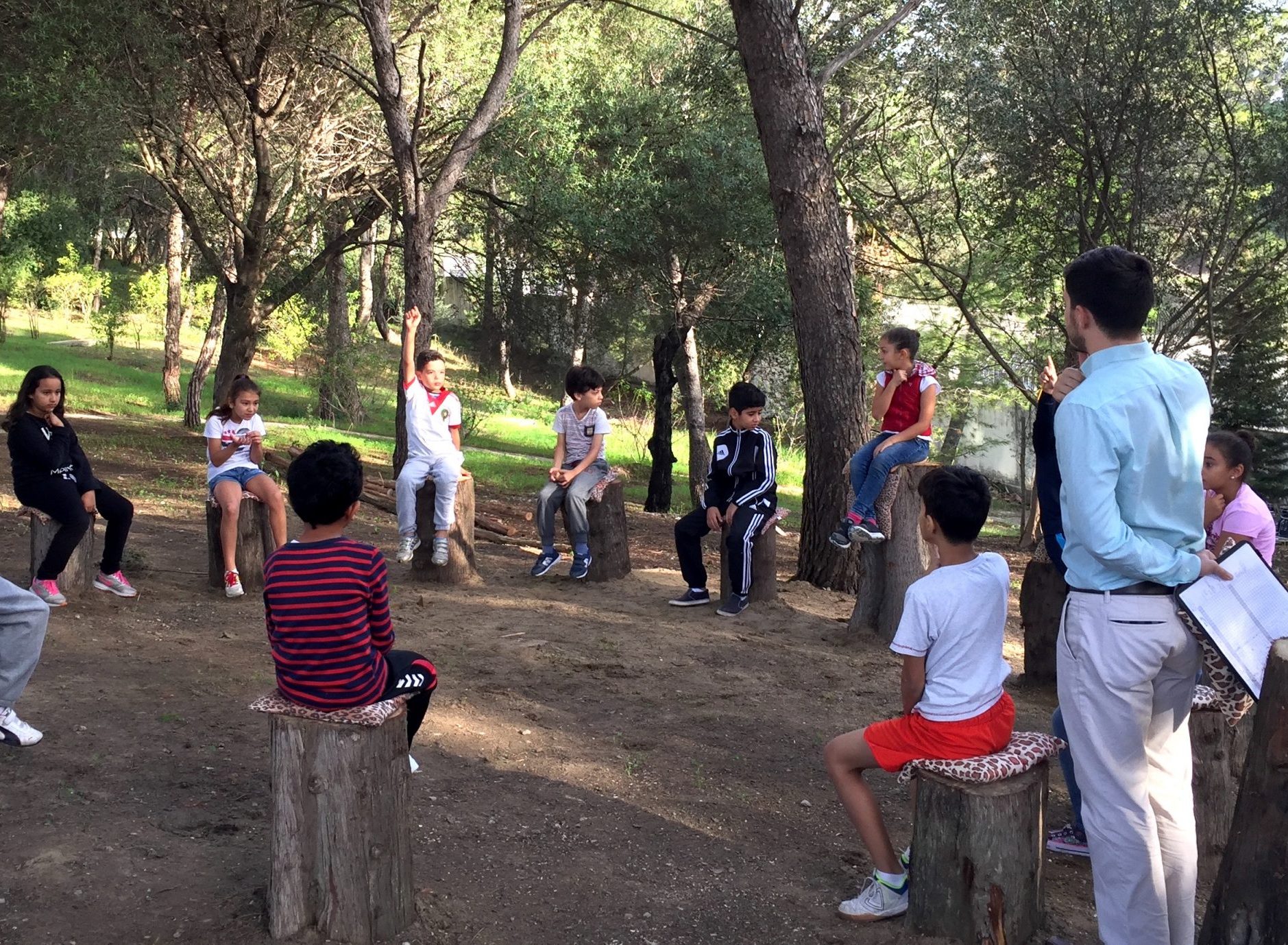
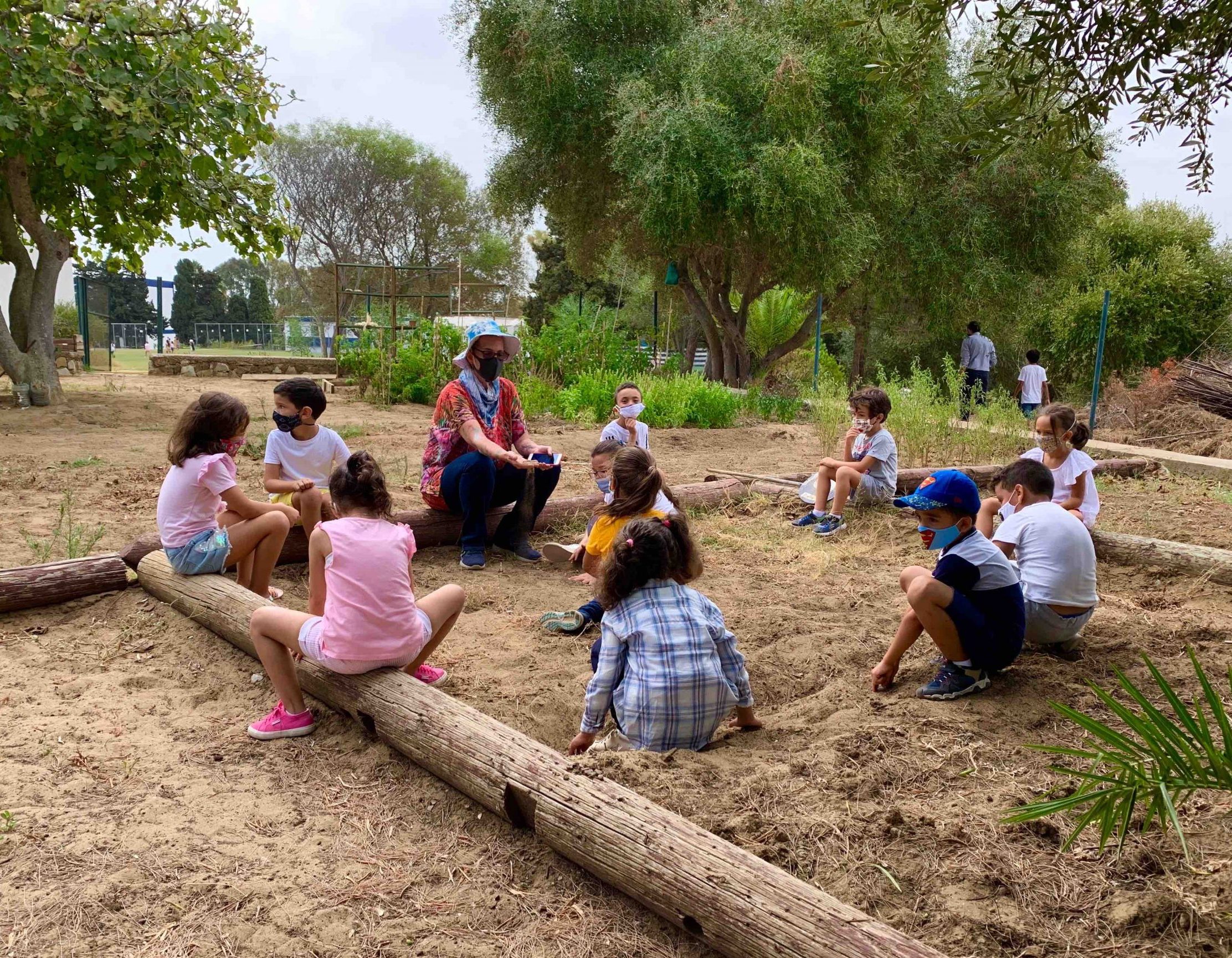
At AST, 68% of the 380 students are from local families. AST has an important role to play, teaching the Moroccan citizens of tomorrow not what to think, but how to think to become thoughtful citizens in an evolving society. A central aspect of the Science Corps fellow’s work at AST is to create science curricula and to teach with a focus on climate change. The goal is to develop a program that teaches scientific content in a highly engaging manner that allows the application of learning to real world, local problems.
The school has two long-term projects in which Science Corps fellows will be directly involved. The first project will be conducted on the school-owned 20-acre property. Science Corps fellows will design and create a water monitoring station to track the health of the Straits of Gibraltar over time. The second project, on the same property, is to regenerate Moroccan native flora. Students will need to identify the native plants, then eradicate and replace non-native species with local endangered species.
City University
Dhaka, Bangladesh
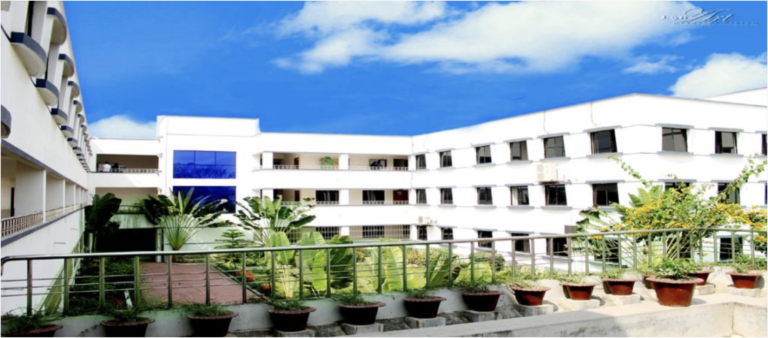
City University was established on the 1st of October in 2002, starting off with just fifteen students, two departments, and a group of dedicated teachers. In 2013, the university received accreditation approval by the Education Ministry and University Grants Commission of Bangladesh. As of 2020, the institution boasts over 6,000 students, a vast campus, four faculty, and a group of PhD professors.
City University and its campus, education programs and curricula, and governing policies are all approved by the University Grants Commission. The high quality of education, democratic governance of the University, strict adherence to laws, policies, and rules, impartial selection of students, faculty, and staff, and non-interference in its academic and administrative affairs from anyone or from any quarter have established City University as a proven leader and role-model in the area of higher education.
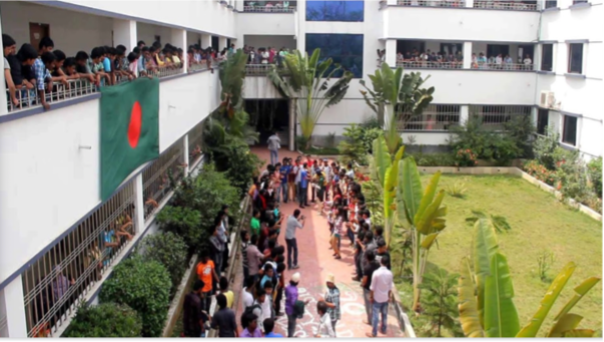
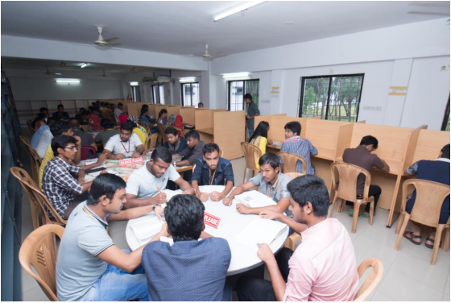
It is not just the physical infrastructure that differentiates City University from other Universities. Rather, it is the cultural and research content that determines the superiority in effort and initiative on the part of the management to compose a “Culture of Excellence” on the campus of City University. Each and every single festival and day is observed with due splendor and color. Students regularly take part in a host of national and international debates, programming contests, and research workshops.
City University is committed to and actively pursues the goal of providing the highest quality education. A combination of innovative and student-centered discussion, case-study based instruction methods with carefully selected students and highly qualified faculty creates City University’s quality education.
The vision of City University is to create a culture of excellence in higher education and research to accelerate national development by establishing an institution of higher learning that is responsive to society’s needs for the 21st century and beyond.A firm resolve of our founder is that no merit shall be wasted only because of poverty. It is with Pride and Honor that City University marches forward for a better Bangladesh, for an achievement of excellence, and for a better tomorrow.
Our Team
Eddy Rubin
Director and Founder
Edward M Rubin, MD, PhD, FACMG, is a geneticist and genomicist who has spent more than 25 years as a member of the faculty of the Lawrence Berkeley National Laboratory in Berkeley, California. During much of that time, he served as the Director of the DOE Joint Genome Institute where he played a major role in the Human Genome Project. Throughout Dr. Rubin’s career, he has taken a keen interest in training STEM PhD scientists. Over the years, more than 50 postdoctoral fellows have trained in his laboratory, the majority of whom are now scientists at leading universities and research institutes around the world.

Ben Rubin
Co-Founder
Benjamin E. Rubin received his PhD in Molecular Biology from the University of California, San Diego. As he neared the completion of his studies, he sought to take a break from basic science to do outreach abroad and gain perspective on his future. However, after months of extensive search he found no programs aimed at science PhDs that would leverage his education. Luckily, a visiting professor with contacts in the Philippines introduced him to the leadership of the CVIF high school. This connection led to a productive and fascinating six-month employment at what would become Science Corps’ first site. Following his experience in the Philippines, he accepted a postdoctoral position in the Jennifer Doudna Lab at University of California Berkeley and now runs a lab there.
Sarah Cox
Co-Founder
Sarah received her PhD in Epidemiology from the University of Washington and MSPH in International Health from the Johns Hopkins Bloomberg School of Public Health. She has experience working in government, industry, and non-profit sectors, focusing on population health, analytics, and research. As Co-Founder of One Sun Health Inc., Sarah has experience leading the recruitment and training of international students, as well as building partnerships with local communities and stakeholders. Sarah is passionate about developing sustainable global exchange between students and communities.

Stephen Harris
Co-Founder
Stephen E. Harris, PhD, is an Assistant Professor of Biology at Purchase College, State University of New York. He has a long history of science outreach and education. After receiving a B.S. in molecular genetics in 2006, he moved to New York City as part of the NYC Teaching Fellows Program teaching high school science in the South Bronx. During his PhD studies, he served as an NSF Gk-12 fellow building science research curriculum in public schools in NYC. As an NSF GRFP fellow, he developed an award winning curriculum that teaches basic molecular biology skills to underserved students using mobile labs. He went on to run molecular biology workshops for students and scientists in the U.S., Belize, and Indonesia. Before Purchase College, he was a teaching fellow at Columbia University where he taught and developed curriculum for their core science course. He knows how much impact scientists can have on developing students and is excited to bring his expertise to Science Corps.

Tanvi Chheda
Outreach Team
Tanvi Chheda, PhD, is a Data Scientist at Google. She taught Machine Learning applications and Earth Science as a fellow in the Philippines, and helps the Science Corps core management team with site search and development, fellow recruiting, outreach, and social media engagement. Tanvi has a PhD in Geology and PhD minor in Management Science and Engineering from Stanford University, and BS in Mathematical Geoscience from Cornell University – during which she also spent time at Universities of Aberdeen, Canterbury, and TU Delft. Her work as a scientist and a technologist spans from Japan to Argentina, and Norway to South Africa. Tanvi believes that access to good science education can elevate living for many, and has mentored students who have secured positions in academic research and industry.
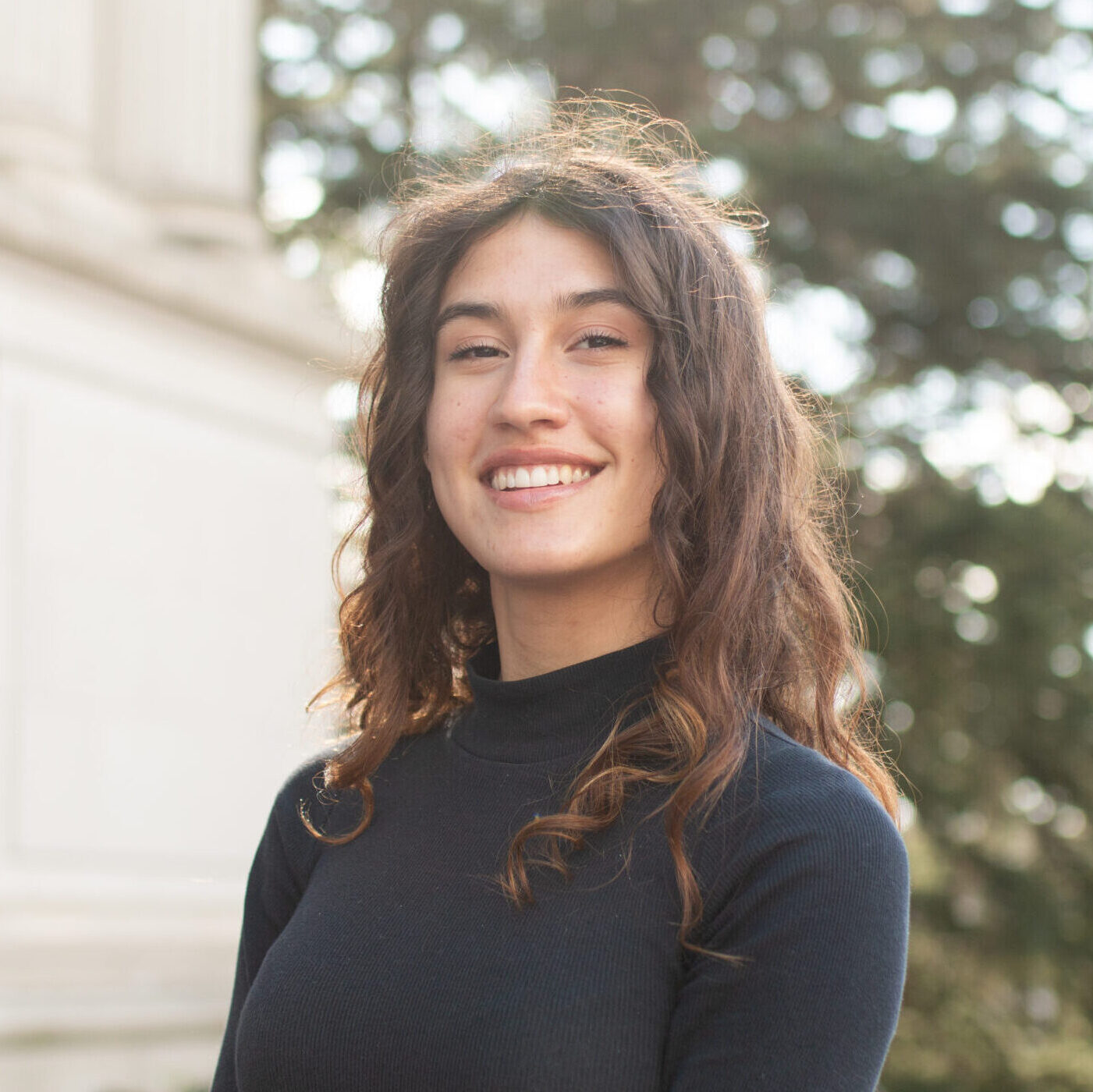
Christine Corry
Program Manager
Christine is an undergraduate student at University of California, Berkeley obtaining her B.A. in Computer Science and Astrophysics. She plans to use her degree to continue onto a graduate program and eventually work within the intersection of modern developing technologies and human well-fare. Christine has prior experience in non-profit sectors, specifically focusing on politics, government, and mental health. She is passionate about science education as a means of personal and community growth and development. Her work in science research focuses on human contributions to safety in aviation and complex cognitive learning.
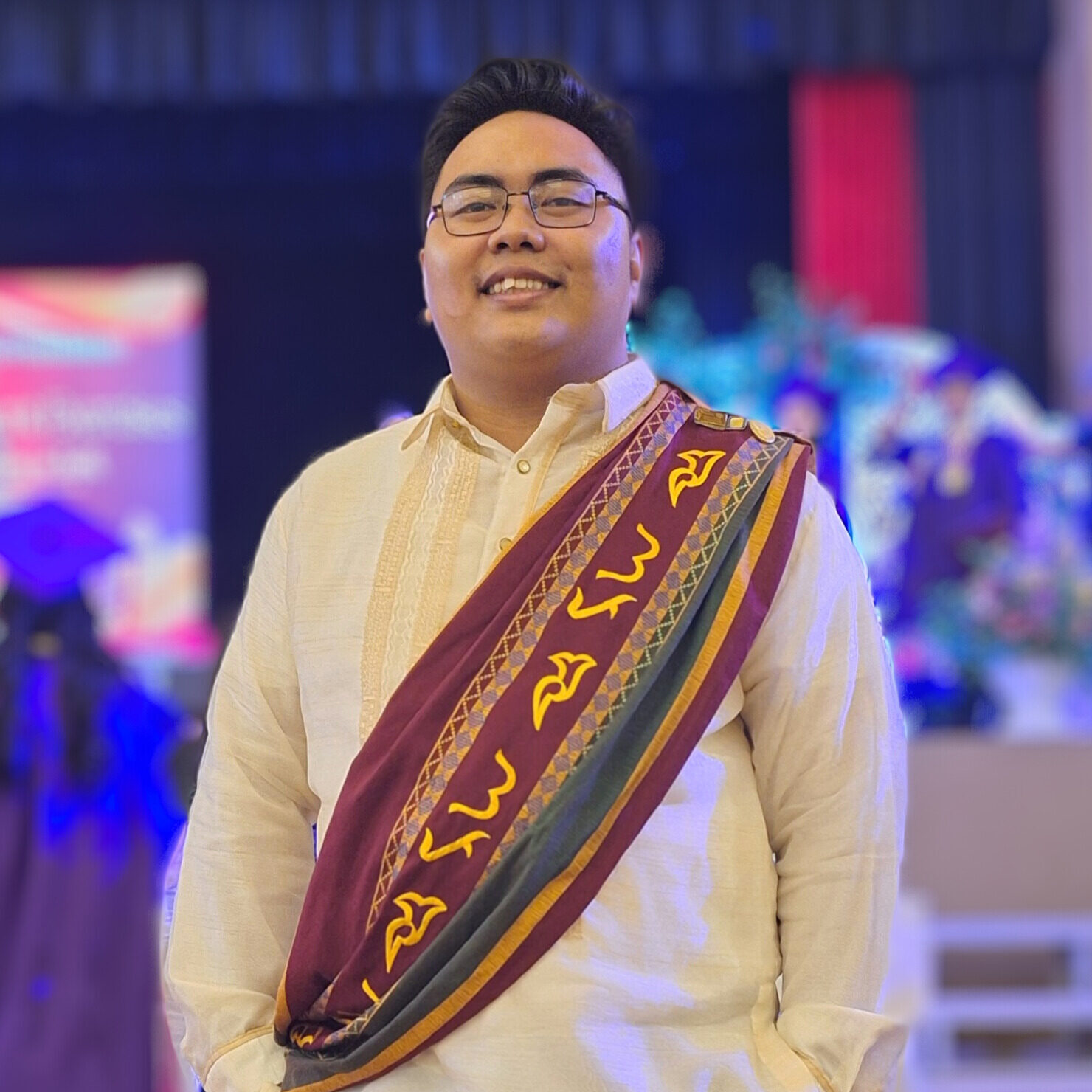
Prince Niño Nayga
Philippine Manager
Prince Niño Nayga obtained his B.S. in Electrical Engineering from the University of the Philippines – Diliman. He plans to use his degree to continue onto a graduate program in the future. Currently, Prince is utilizing his knowledge in programming to aid in marine research at the JAZC Marine Sciences Laboratory, Central Visayan Institute Foundation.
Prince is one of the students of Science Corps’ first ever fellow and cofounder, Ben Rubin at CVIF way back 2017. He was inspired by Ben’s knowledge and expertness in the field of research as Ben taught practical research courses. This led Prince to also venture in the field of research.
As Science Corps’ Philippine Manager, Prince ensures that the students will get the most out of their interaction with the fellows sent to the Philippines. All in the hopes that they will also be inspired to become the next generation of scientists, just like how he was inspired with his experience with Science Corps.
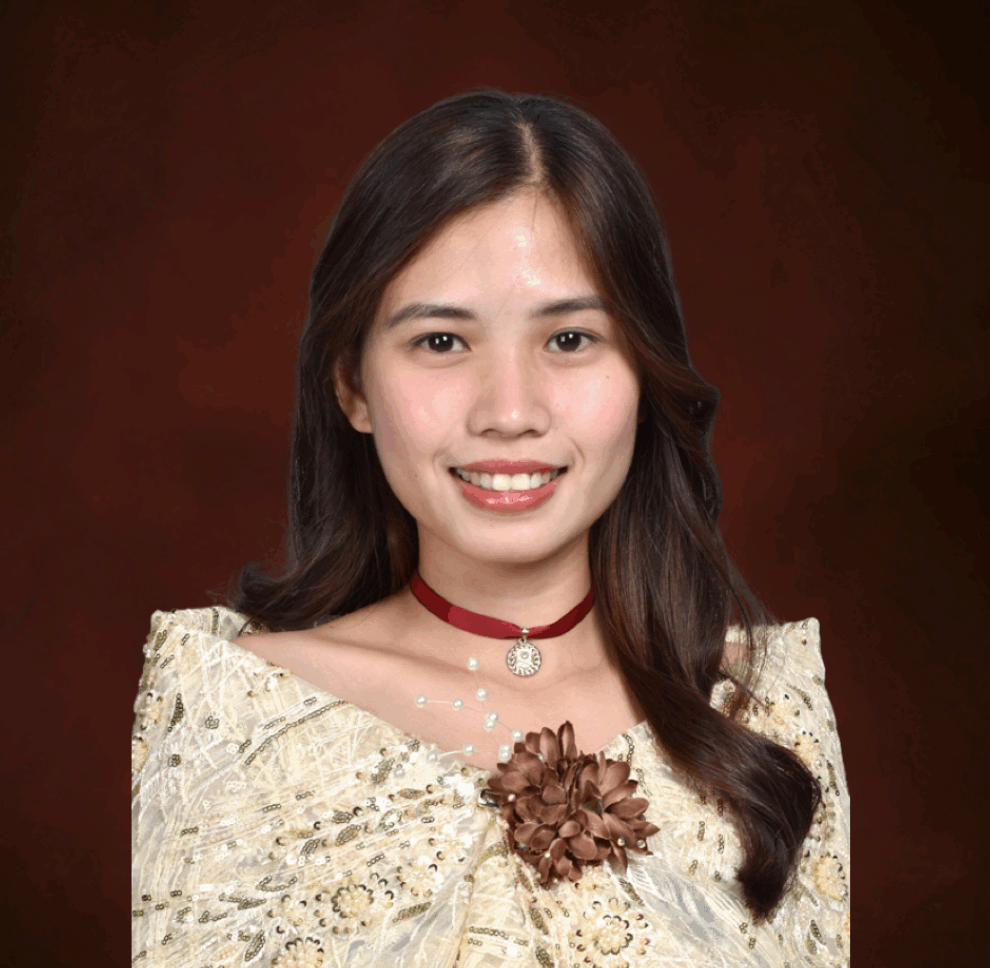
Cj Ella Reroma
Philippine Manager
Cj Ella Reroma holds a Bachelor in Fine Arts, Major in Product Design from the University of the Philippines Cebu. Her journey with Science Corps began in 2017, when she was one of the pioneer students of the organization’s first fellow and cofounder, Ben Rubin, at Central Visayan Institute Foundation (CVIF). Deeply inspired, she found herself drawn to the transformative power of science education. That formative experience would later fuel her commitment to giving back to her community through the same platform that once inspired her.
Today, she teaches Marketing, Contemporary Arts, and Practical Research at CVIF. Beyond the classroom, she also serves as the school’s Social Media Manager and Content Creator, where she brings the CVIF story to life through compelling digital content that celebrates student achievements, school culture, and community milestones.
At the core of her work is a deep and enduring mission: to contribute to national development by equipping STEM students with knowledge, creativity, and values needed to build a better future.
Our Partners
Drs. Christopher C. Bernido and Maria Victoria Carpio-Bernido are president and directress, respectively, of the Philippines site, CVIF high school. Having received PhDs in theoretical physics in the U.S., they returned to the Philippines and established themselves as professors at the Philippine’s top university, University of the Philippines. There, Chris headed the Physics department, and both were acknowledged with multiple awards for their research and teaching.
Driven by their mutual commitment to develop their country’s STEM capacity, Chris and Marivic sought to create hubs of education and research outside Manila. In 1999 they moved to the rural town of Jagna, Bohol and took the helm of the ailing Central Visayan Institute Foundation, a high school right in the center of town. They instituted a number of innovative educational approaches there that were codified in the CVIF Dynamic Learning Program. This program dramatically improved learning outcomes not only at CVIF, but also at approximately 250 schools across the Philippines where it has been instituted. They also founded the CVIF Research Center for Theoretical Physics in Jagna, which has hosted several workshops, drawing distinguished international scientists including multiple Nobel Prize winners.
For their efforts on behalf of Jagna and the Philippines, Chris and Marivic were awarded the Ramon Magsaysay Award in 2010, one of Asia’s highest honors for service.
The current Head of School at The American School of Tangier, Sarah Putnam, brings 35 years of teaching and administrative experience to her leadership of AST.
Previously, she has been Head of the International School of Aruba, Deputy Superintendent for Shanghai American School, Curriculum Coordinator for the American School in Japan, and Principal/Superintendent for eleven years at two public school districts in Montana. She completed her doctoral coursework for an EdD at the University of Montana, has a Master’s Degree in Education from UMASS, and an A.B. from Harvard University. Her passion to address climate change and the dissolution of global trust through innovative schooling drives the programs at AST.